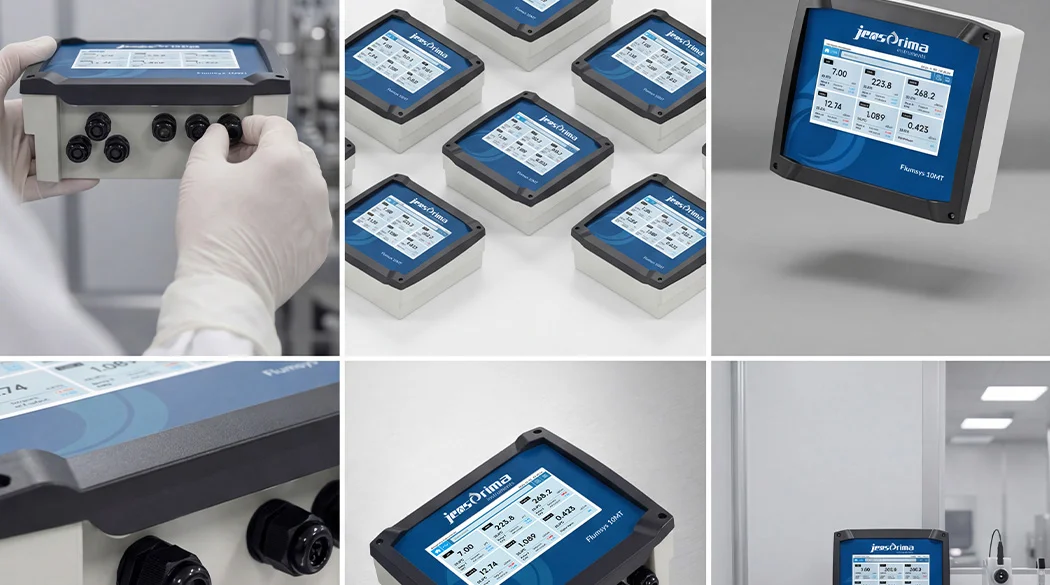
Understanding Online Water Hardness Analyzers
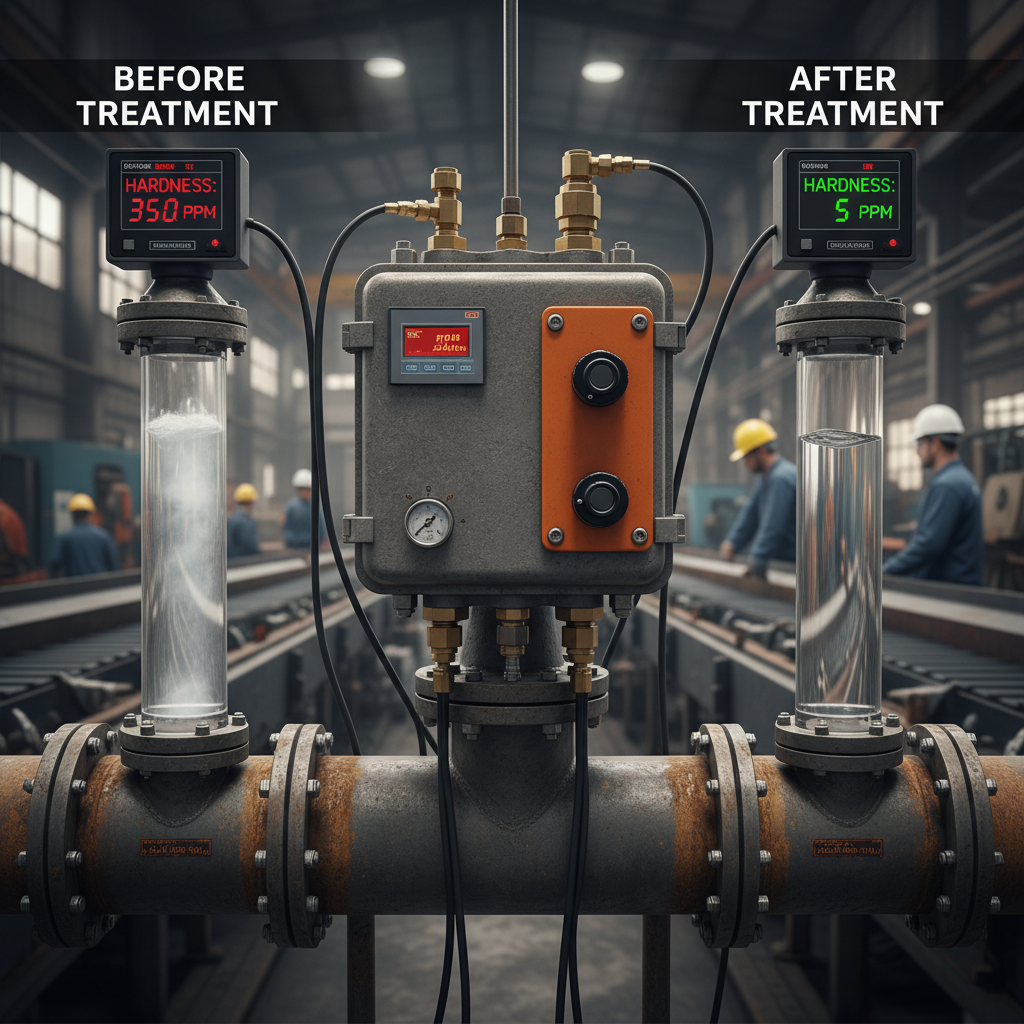
Water hardness is a critical parameter across numerous industries, impacting everything from boiler efficiency to product quality. Traditionally, assessing water hardness relied on time-consuming laboratory tests. However, online water hardness analyzers provide real-time, continuous monitoring, allowing for immediate adjustments and optimized processes. This article will explore the benefits, technologies, applications, and key considerations when selecting an online water hardness analyzer. Accurate and reliable water hardness data is paramount for efficient operations and cost savings.
The Benefits of Real-Time Water Hardness Monitoring
Implementing an online water hardness analyzer offers a multitude of advantages. Beyond simply eliminating the delays associated with lab testing, real-time data enables proactive control, preventing scale buildup in boilers and pipelines. This leads to reduced energy consumption, minimized downtime, and extended equipment lifespan. Furthermore, continuous monitoring ensures optimal chemical dosing for water treatment processes, reducing chemical waste and associated costs. Precise control over water hardness improves product quality in industries like food and beverage, pharmaceuticals, and microelectronics.
Key Advantages: Reduced energy consumption, minimized downtime, extended equipment lifespan, optimal chemical dosing, improved product quality, proactive control of scaling.
Common Technologies Used in Online Water Hardness Analyzers
Several technologies are employed in online water hardness analyzers, each with its own strengths and limitations. Conductivity-based sensors are a common and cost-effective option, estimating hardness based on the total dissolved solids (TDS). However, this method can be inaccurate in complex water matrices. Ion-selective electrodes (ISE) offer more specific measurement of calcium and magnesium ions, the primary contributors to hardness. Finally, spectroscopic methods, such as UV-Vis spectrophotometry, provide highly accurate and reliable results but are typically more expensive. The choice of technology depends on the required accuracy, sample complexity, and budget.
Technology Comparison:
• Conductivity: Cost-effective, less accurate.
• ISE: More specific, moderate cost.
• Spectroscopic: Highly accurate, higher cost.
Applications Across Diverse Industries
The need for accurate water hardness measurement spans a wide range of industries. In the power generation sector, controlling hardness is crucial for preventing scale buildup in boiler systems, maximizing efficiency, and avoiding costly shutdowns. The food and beverage industry utilizes online water hardness analyzers to ensure consistent product quality and comply with stringent regulations. Pharmaceutical manufacturers rely on precise water hardness control for the production of high-purity water used in drug formulation. Furthermore, industries like textile manufacturing and metal finishing utilize these analyzers to optimize processes and reduce chemical consumption.
| Industry |
Application |
| Power Generation |
Boiler scale prevention |
| Food & Beverage |
Product quality control |
| Pharmaceuticals |
High-purity water production |
| Textile Manufacturing |
Process optimization |
Key Considerations When Selecting an Analyzer
Choosing the right online water hardness analyzer requires careful consideration of several factors. Accuracy and precision are paramount, ensuring reliable data for informed decision-making. The analyzer should be compatible with the specific water matrix being monitored, accounting for potential interferences. Ease of use and maintenance are also important, minimizing operator training and reducing downtime. Consider the analyzer’s range, response time, and data logging capabilities. Finally, ensure the chosen analyzer meets relevant industry standards and certifications.
Jensprima's Online Water Hardness Analyzers: Specifications
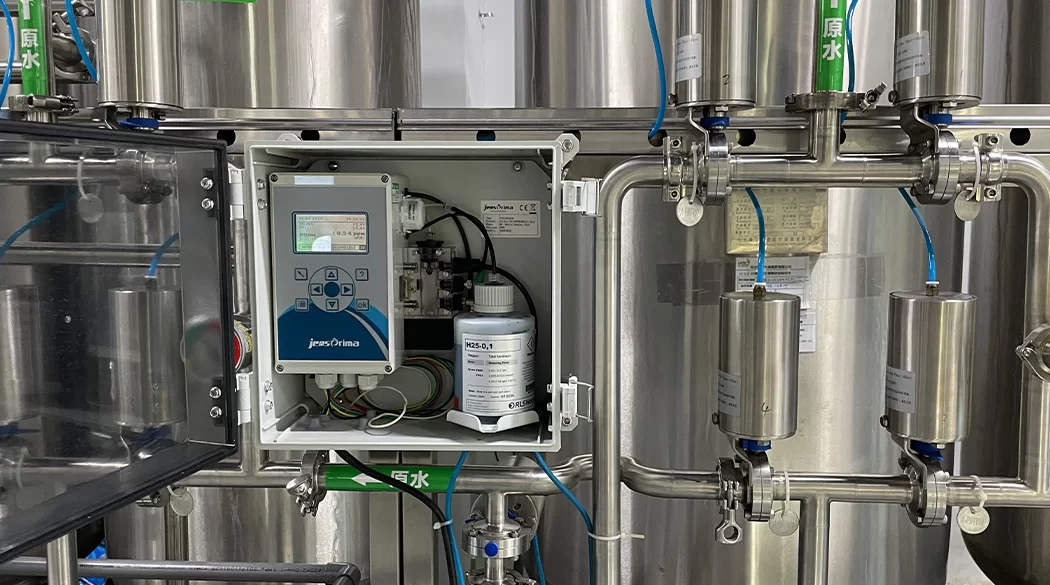
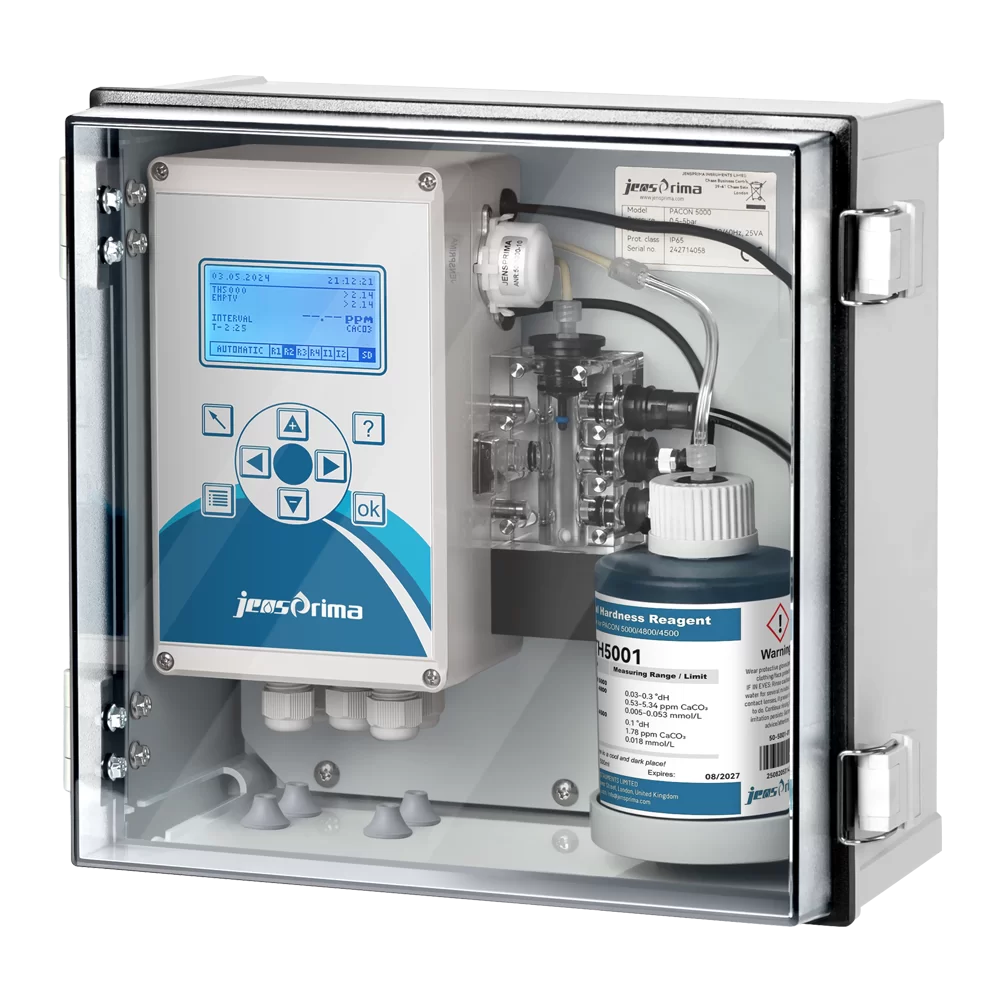
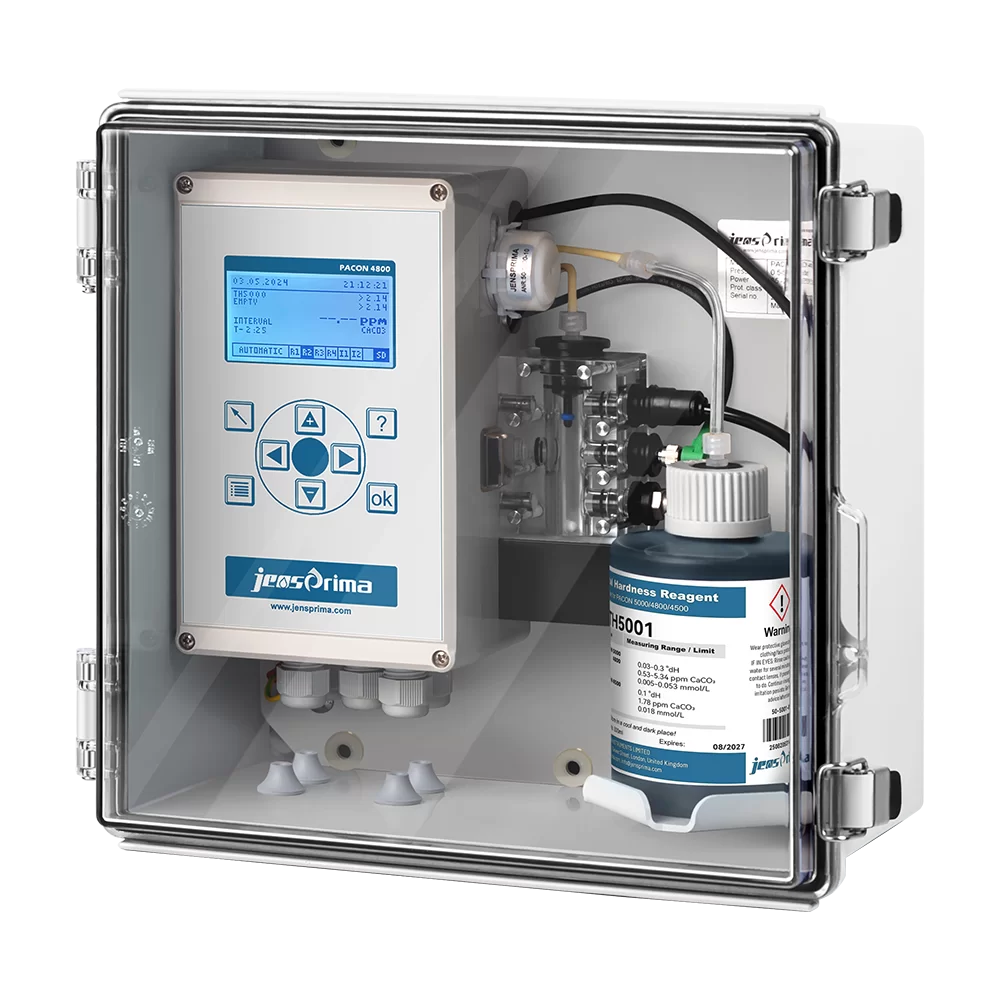
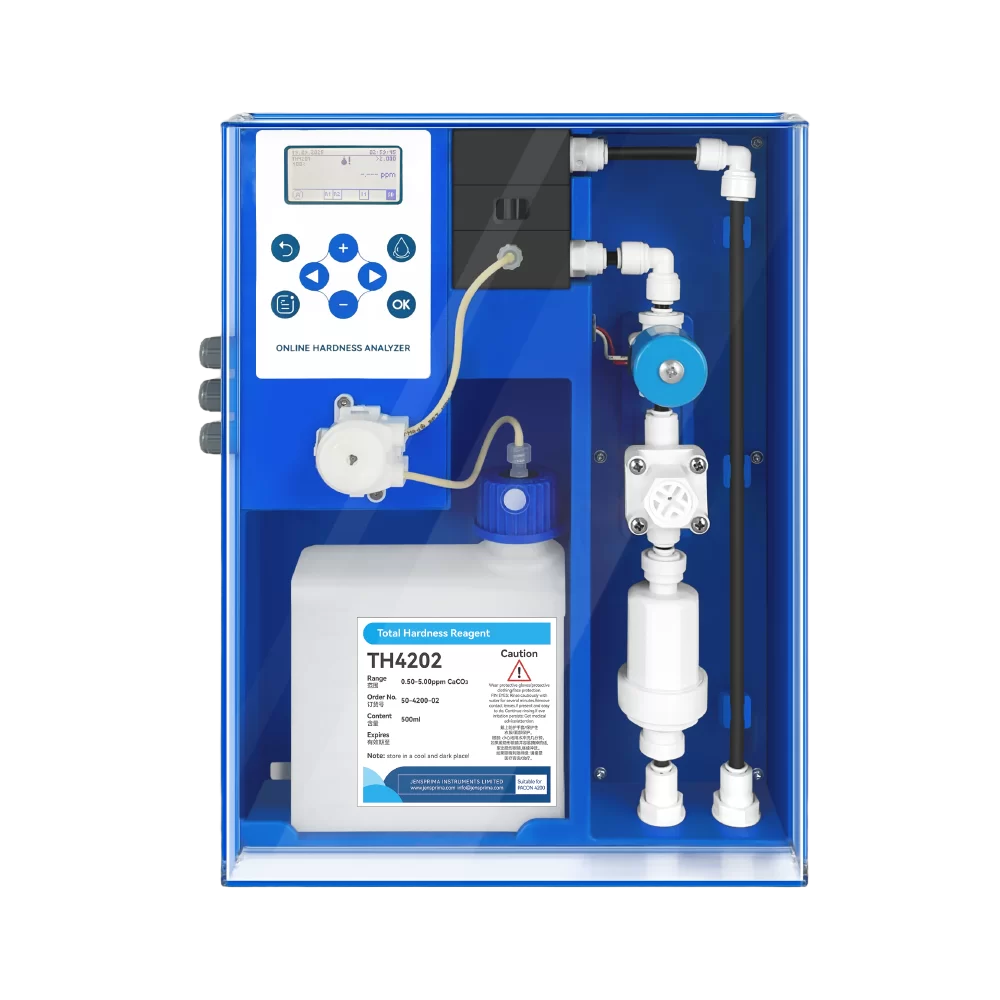
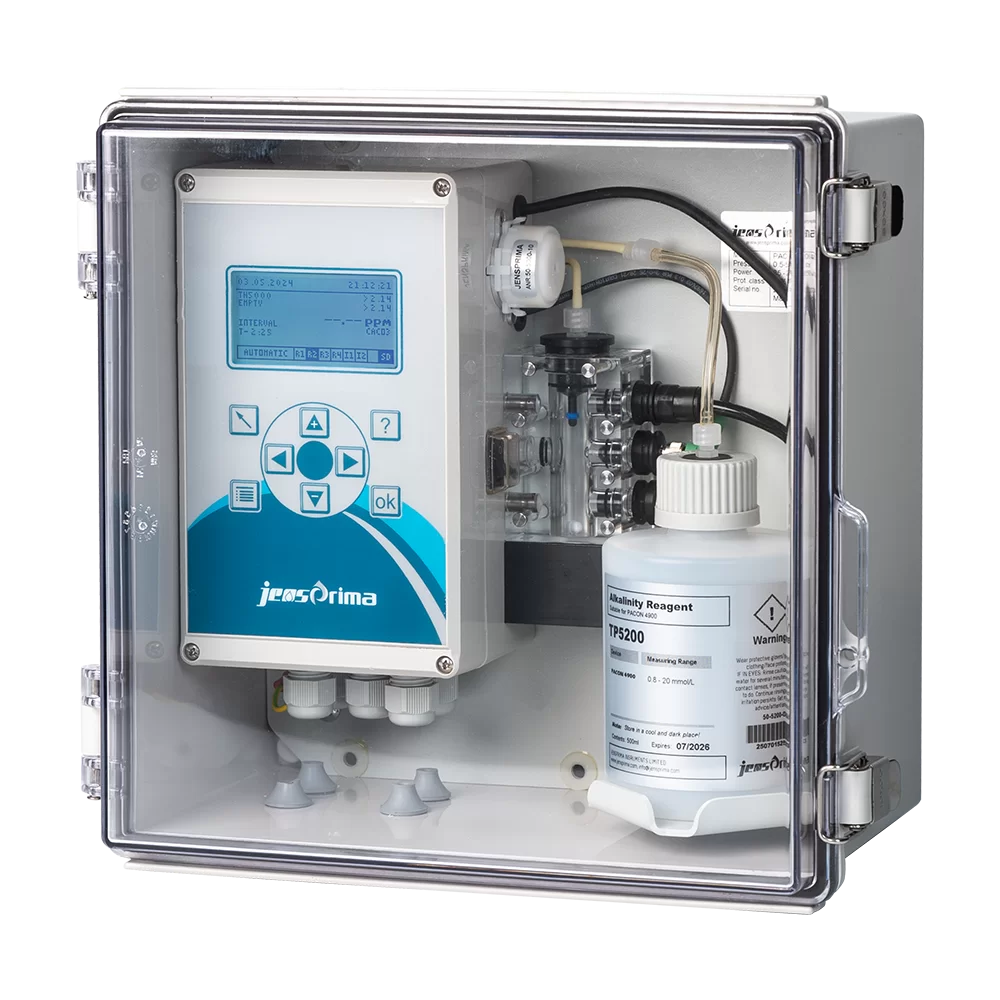
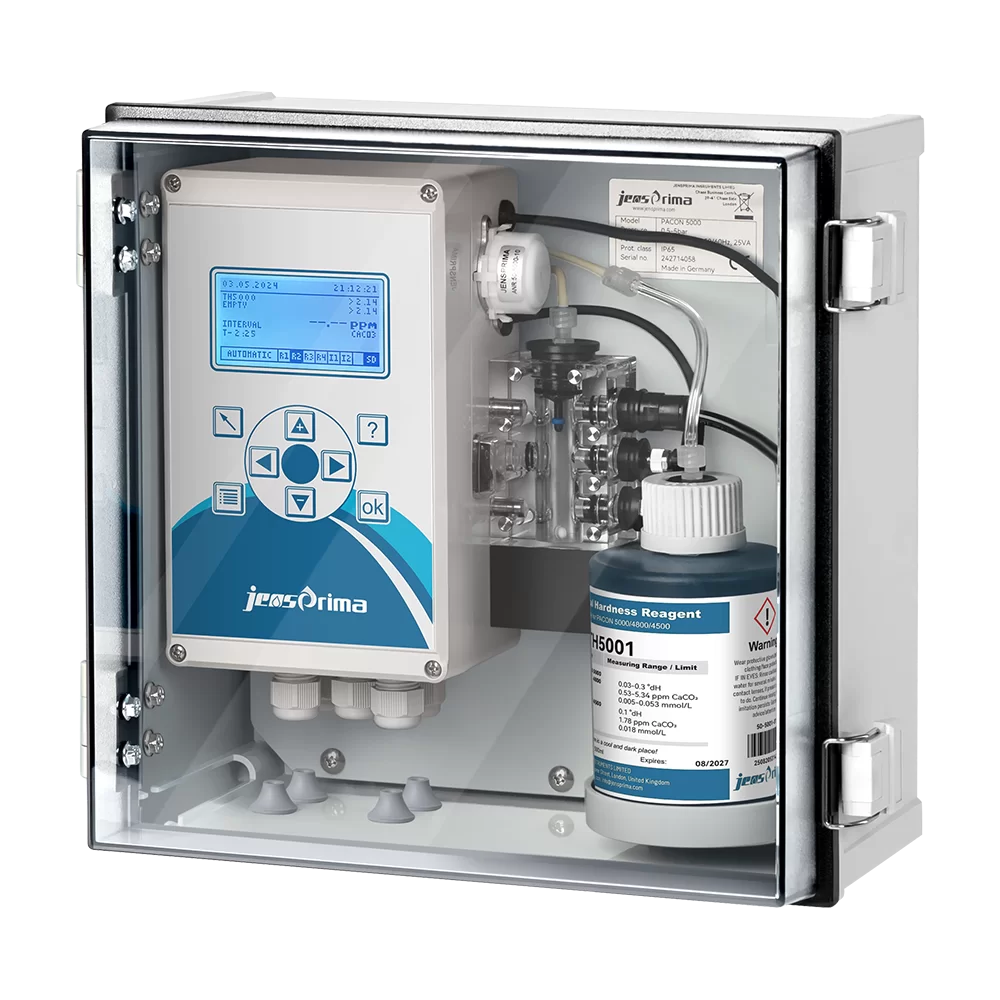
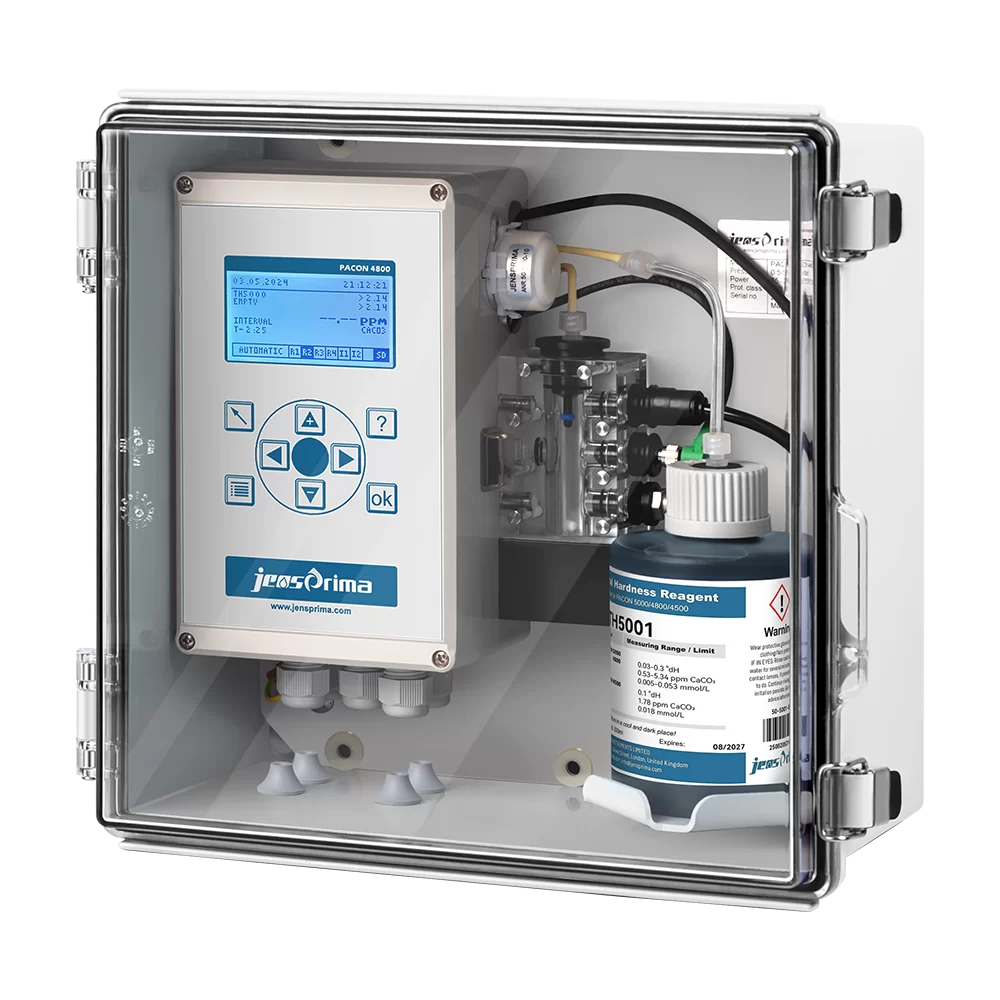
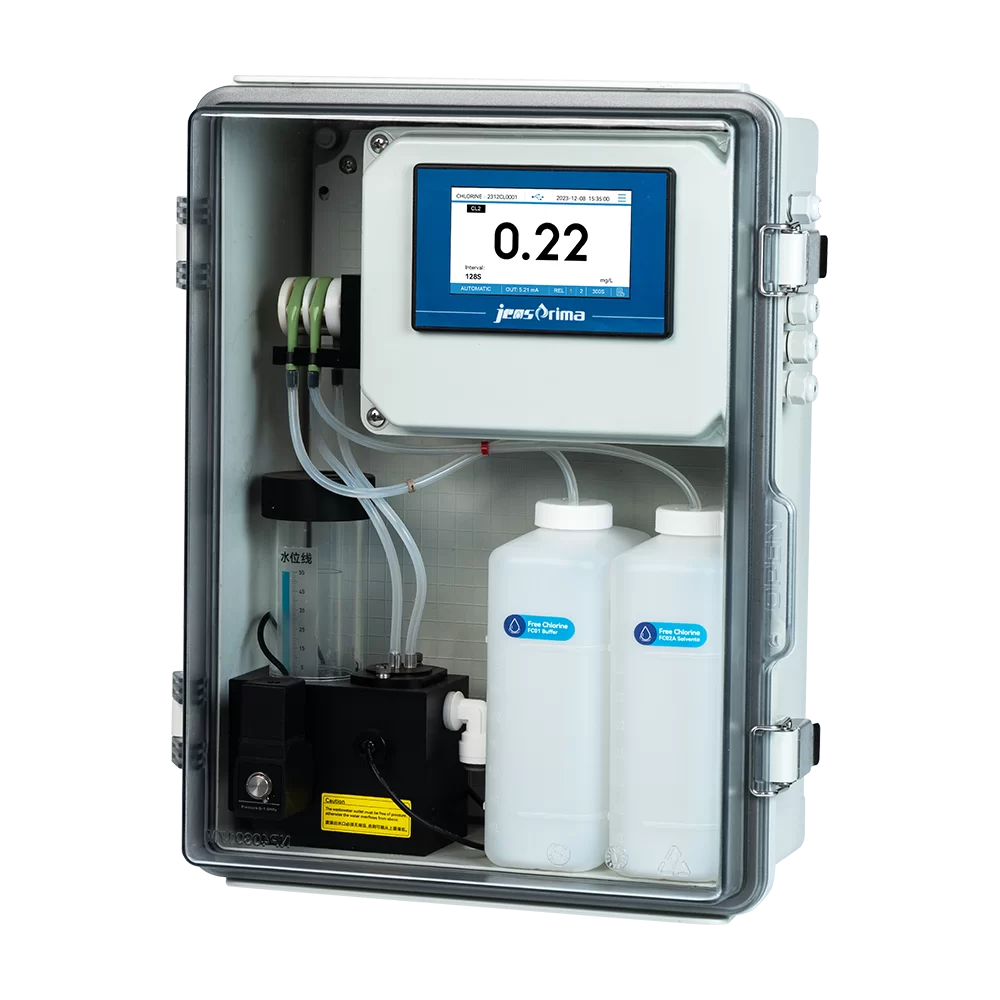
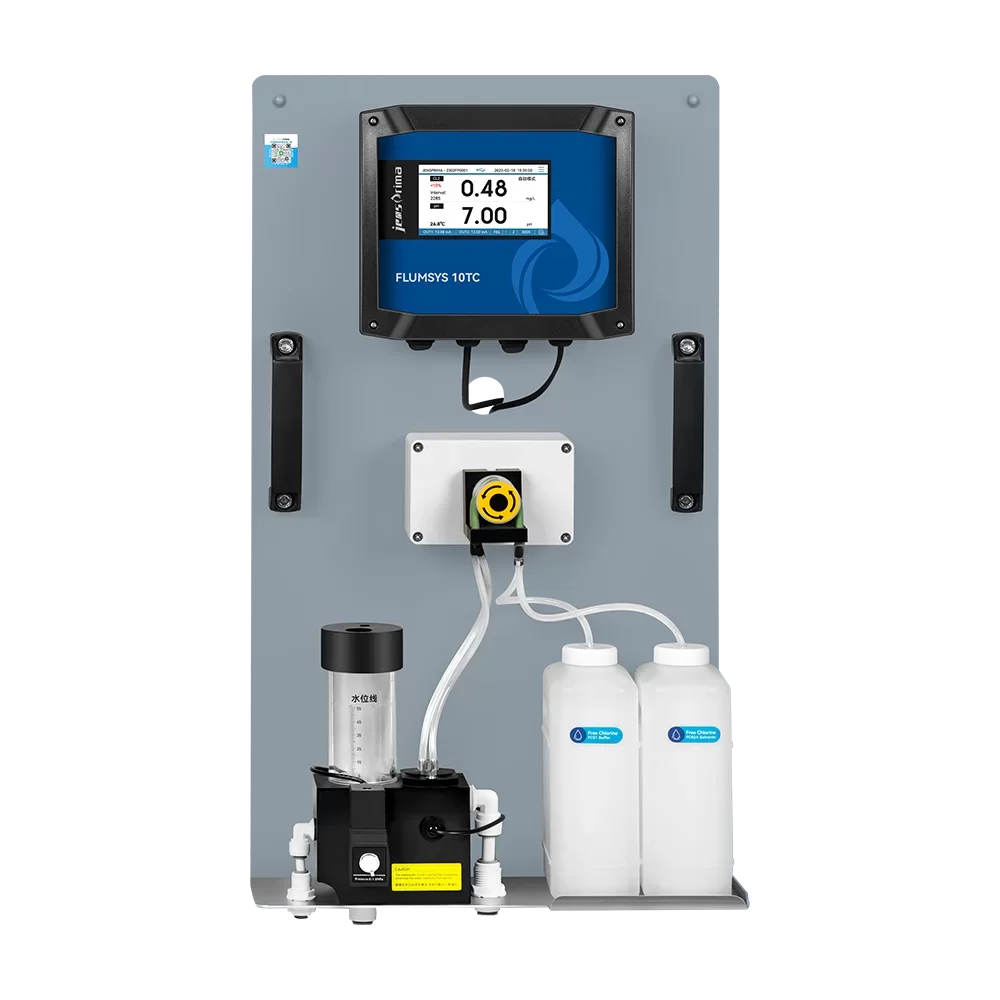
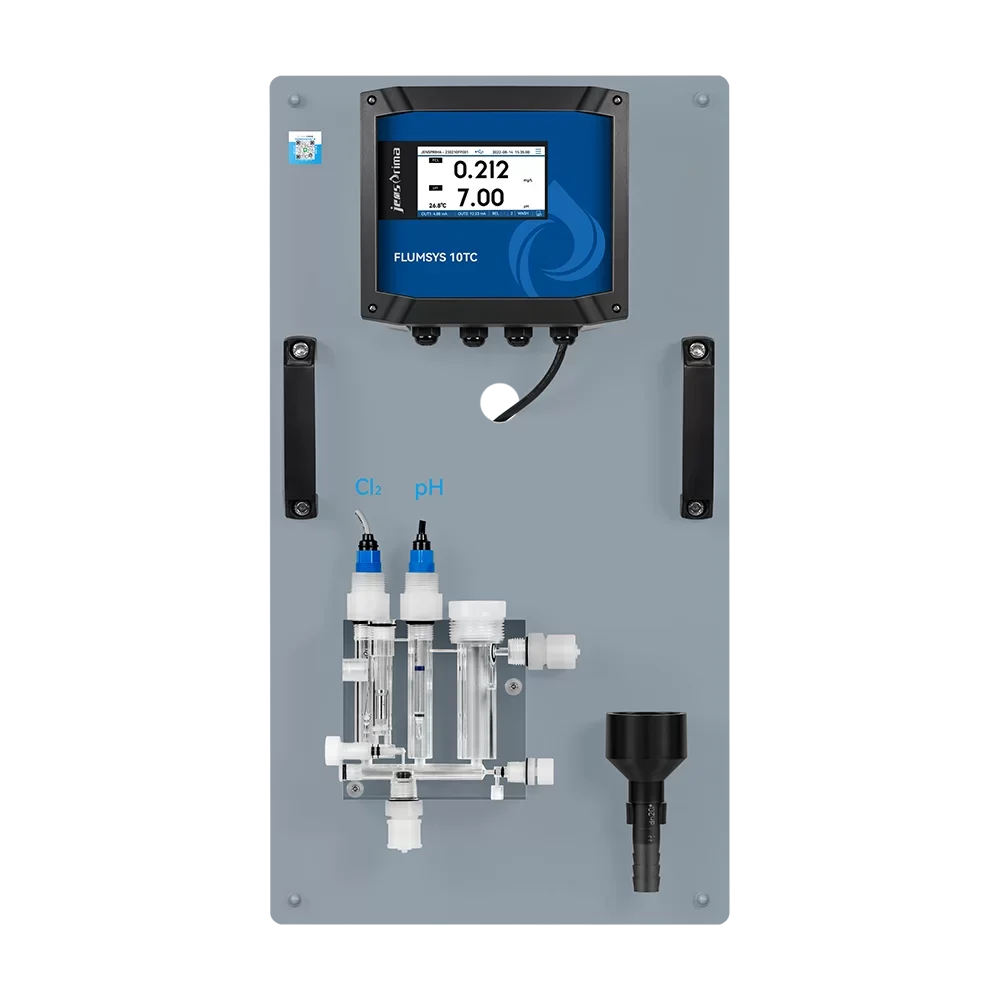
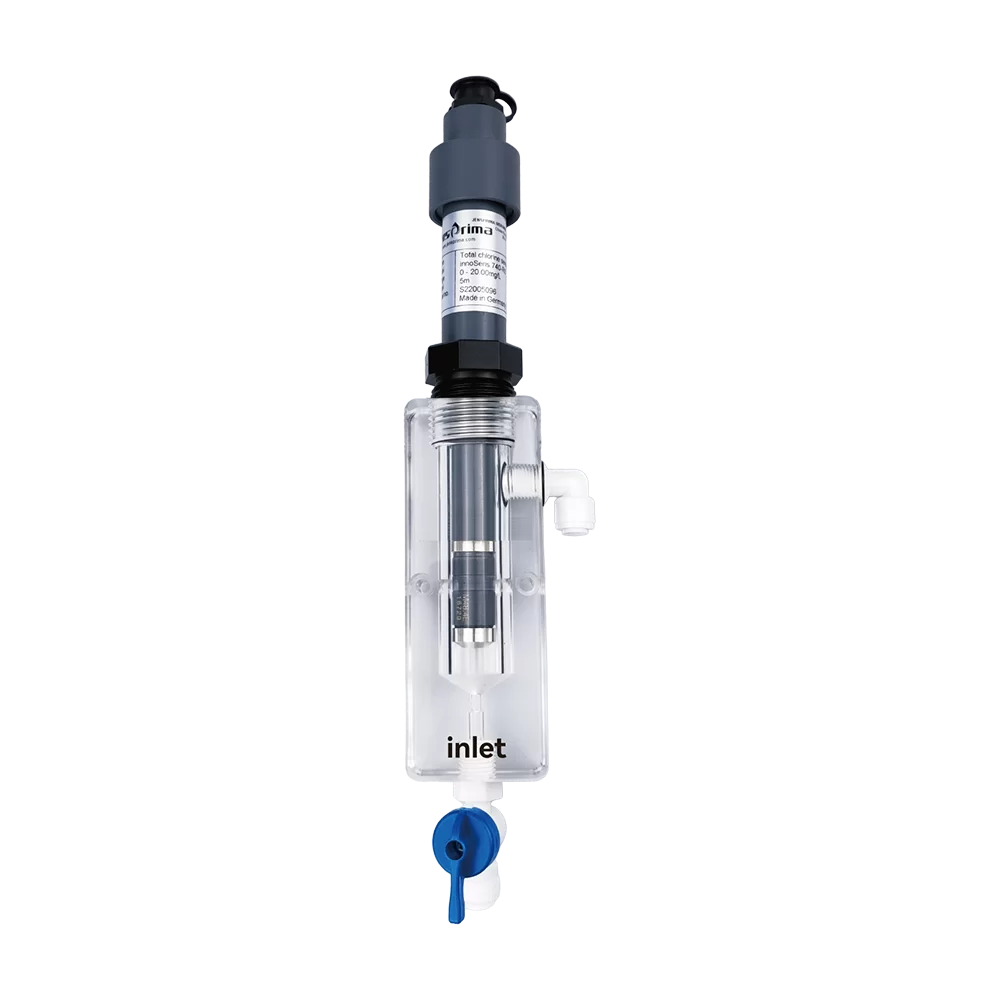
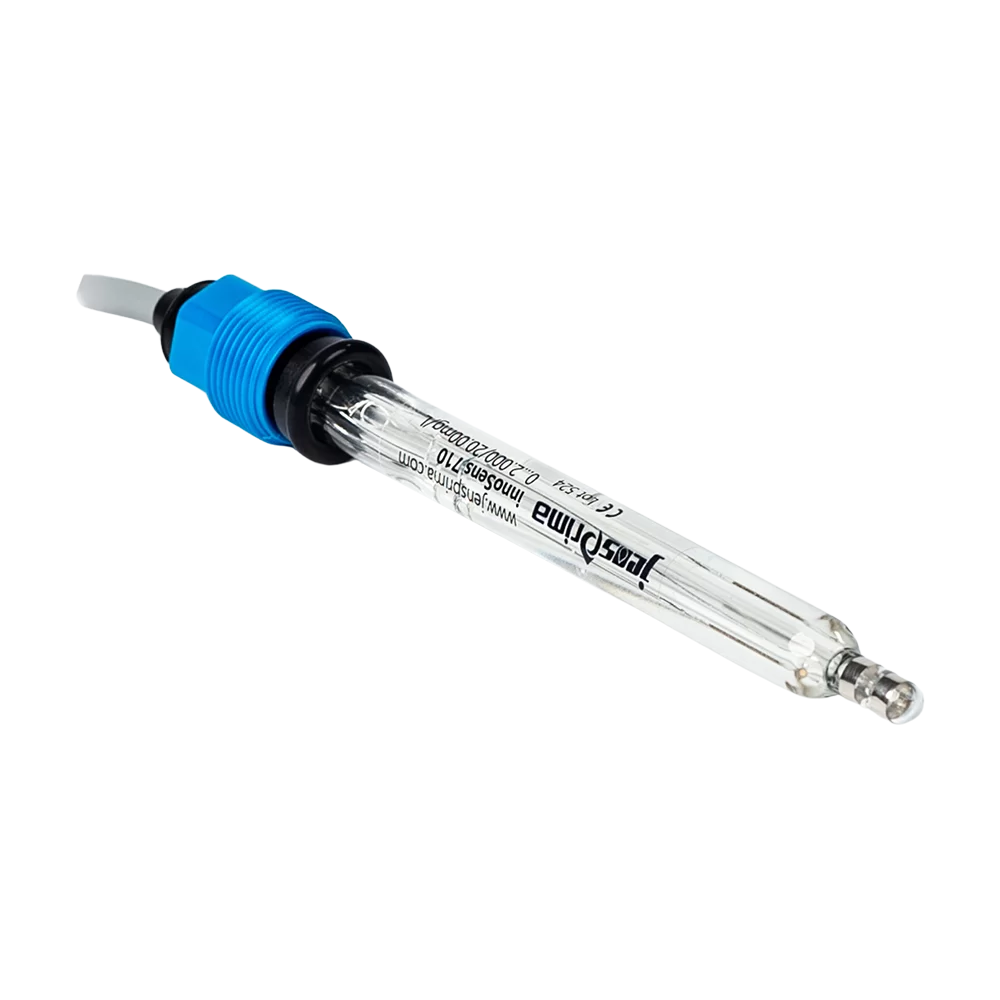
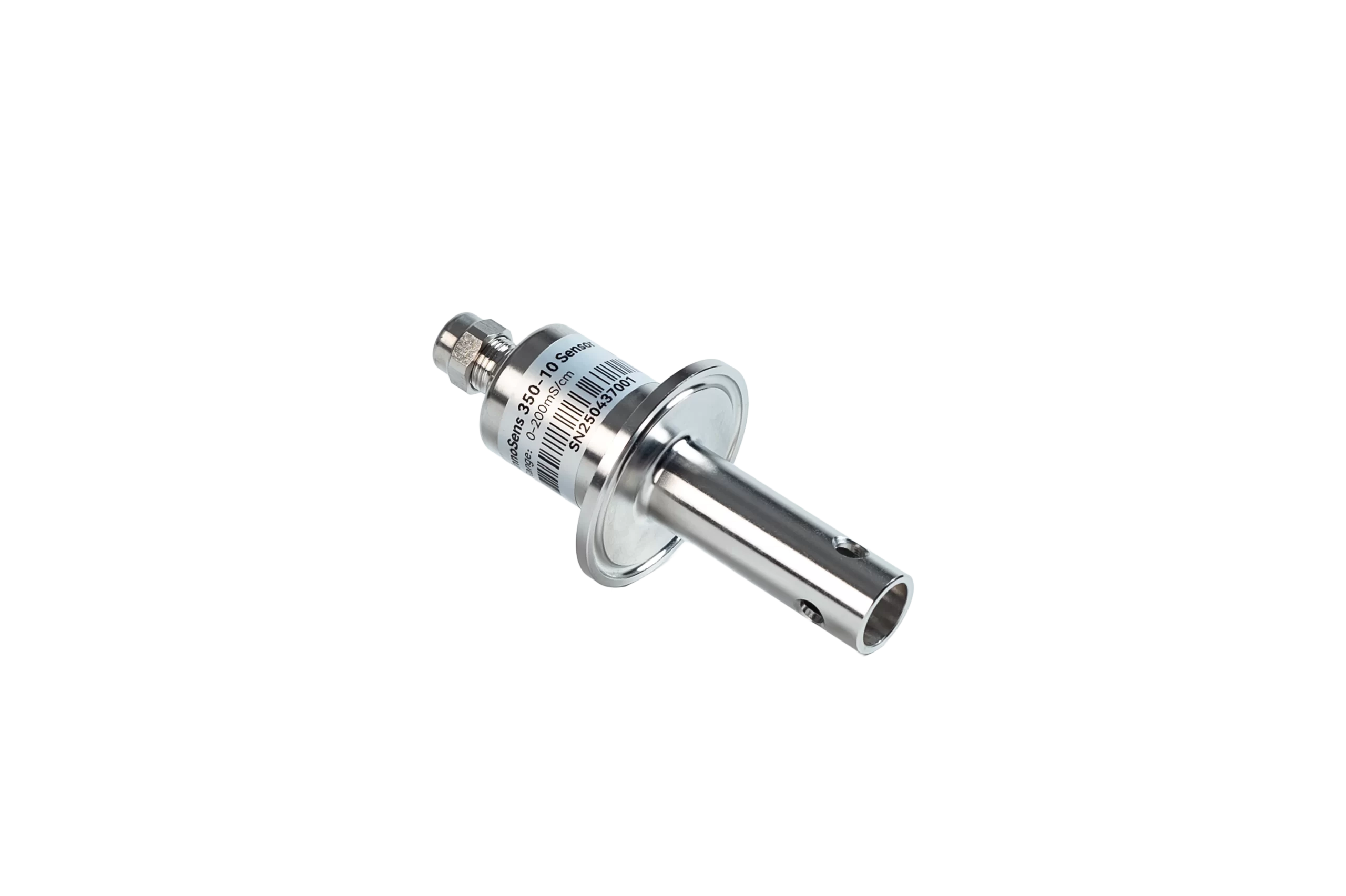
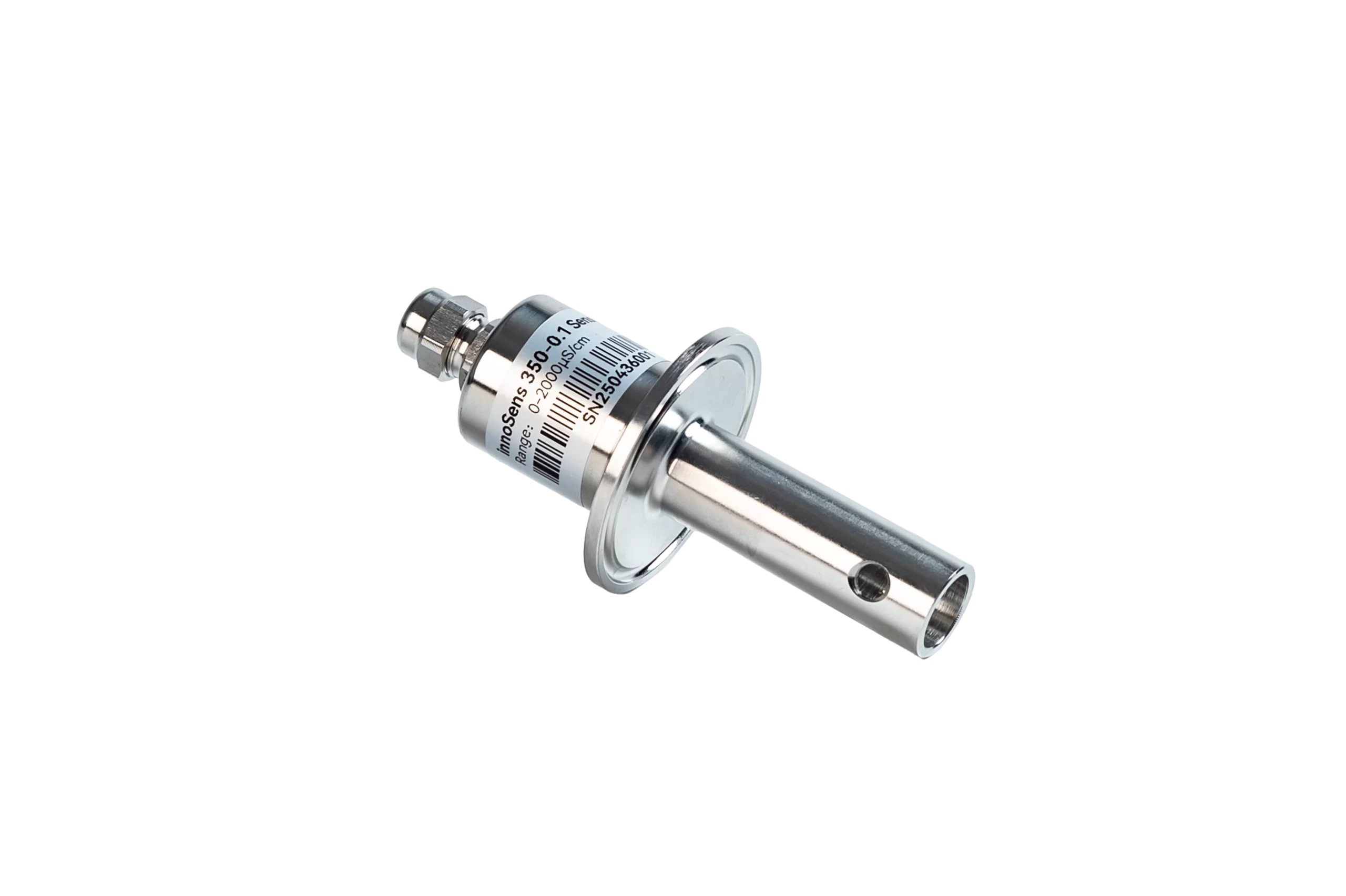
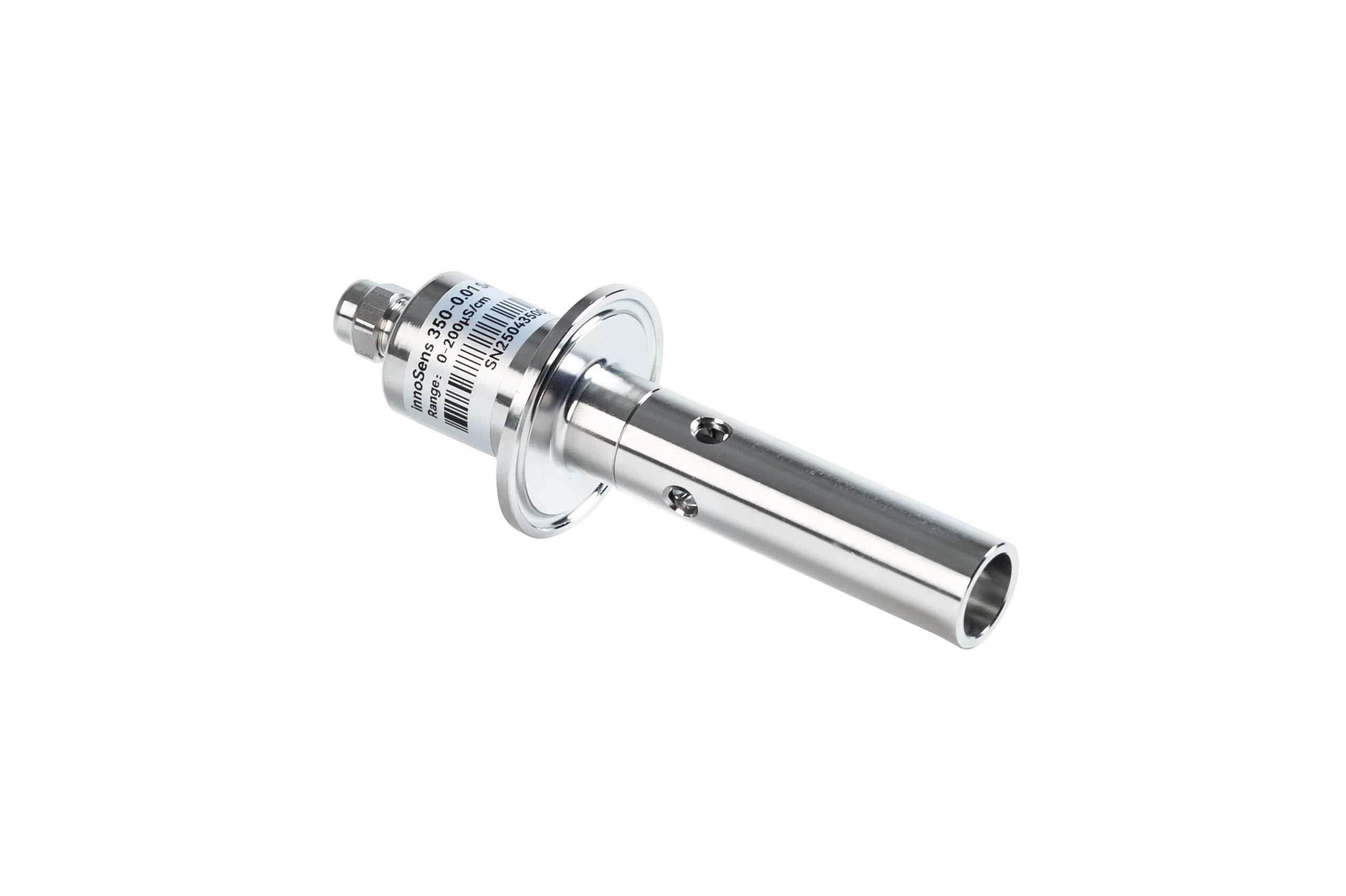
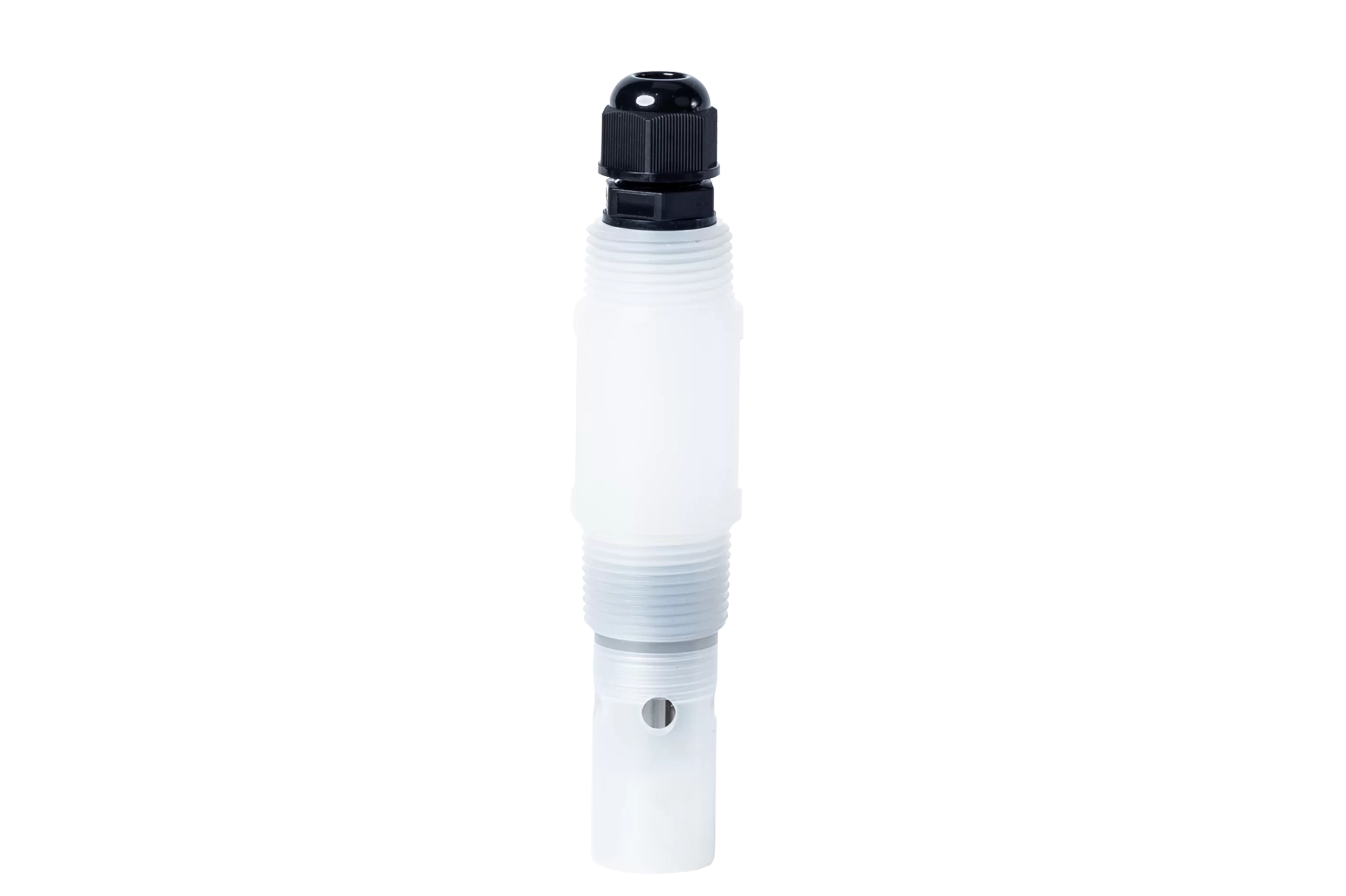
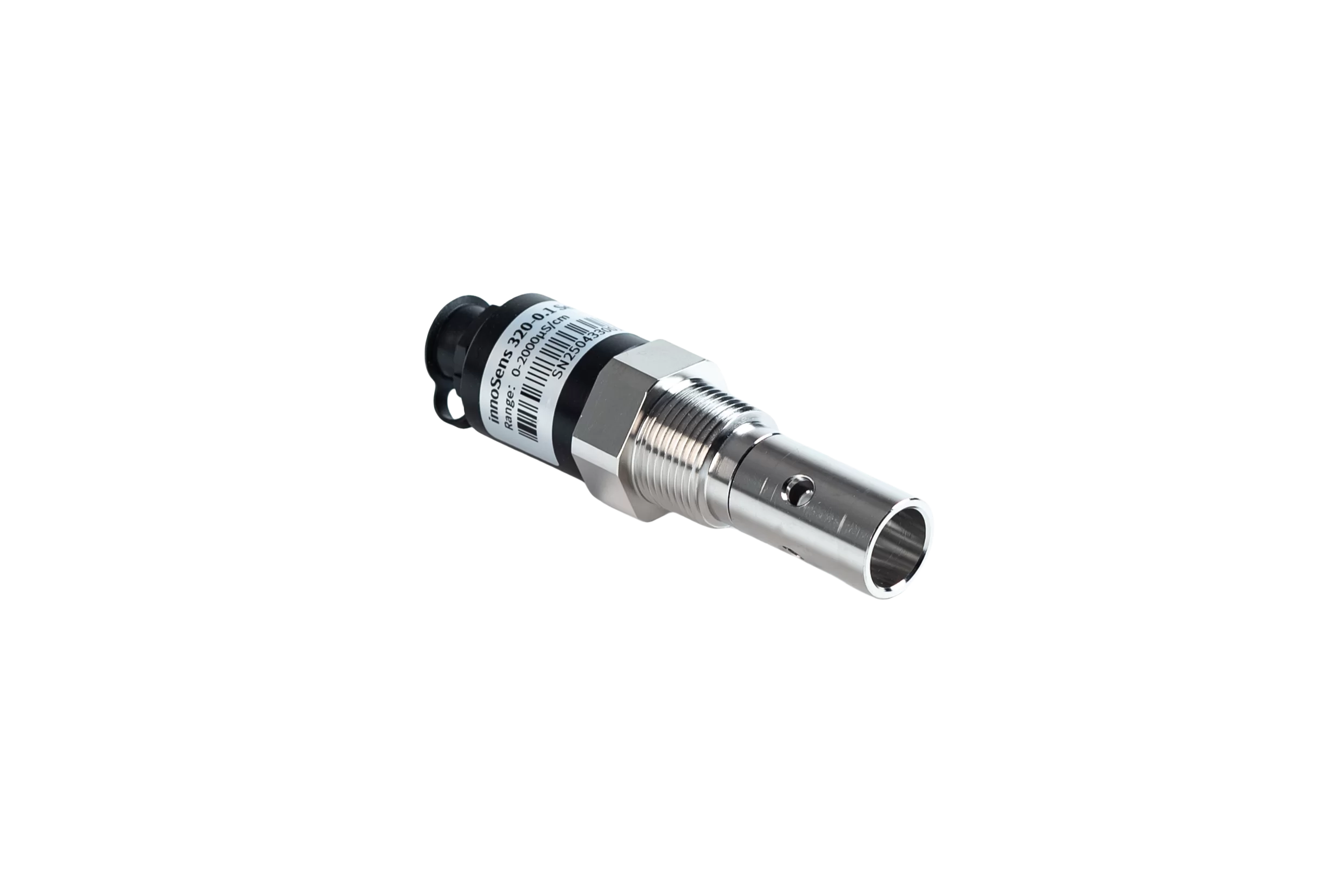
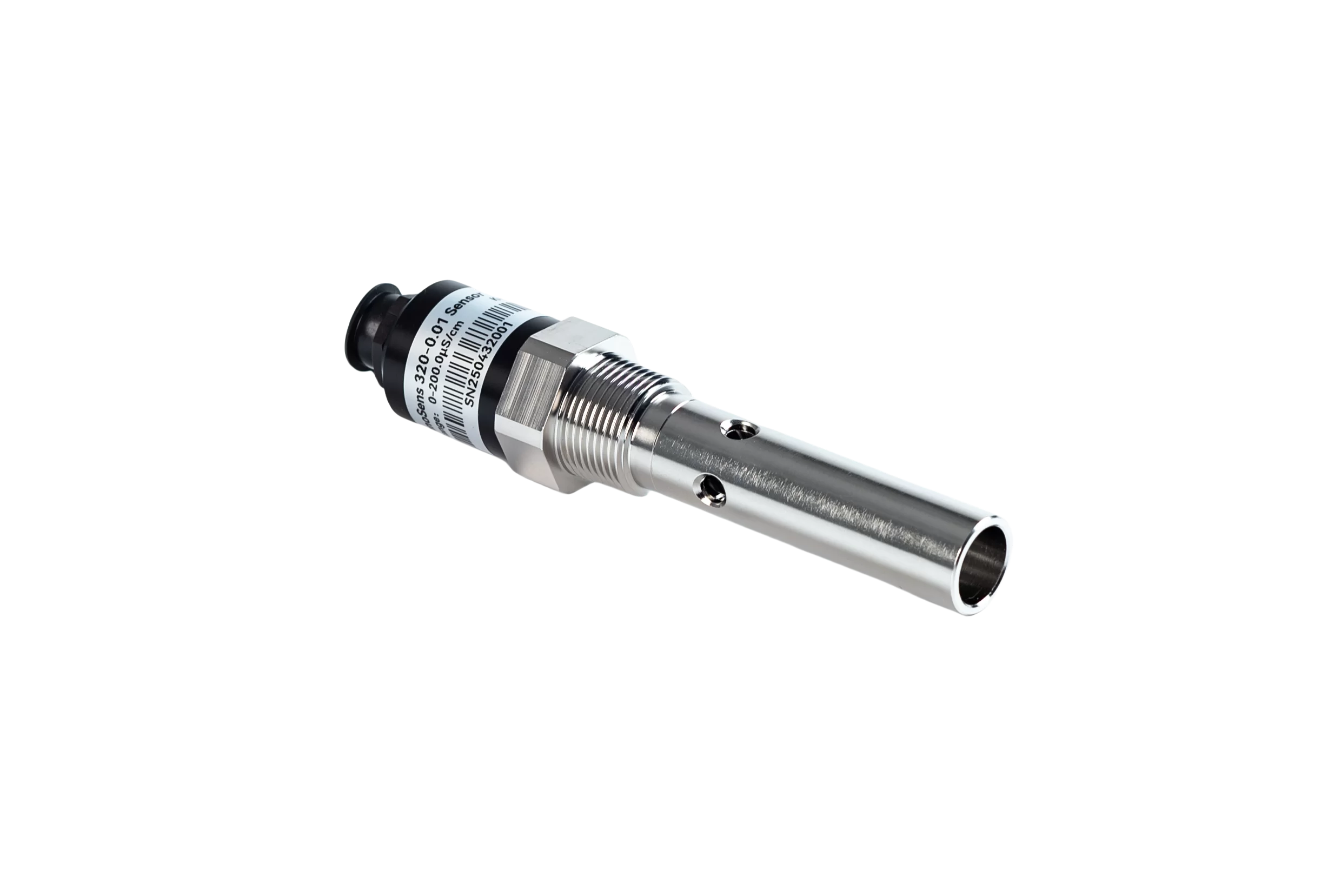
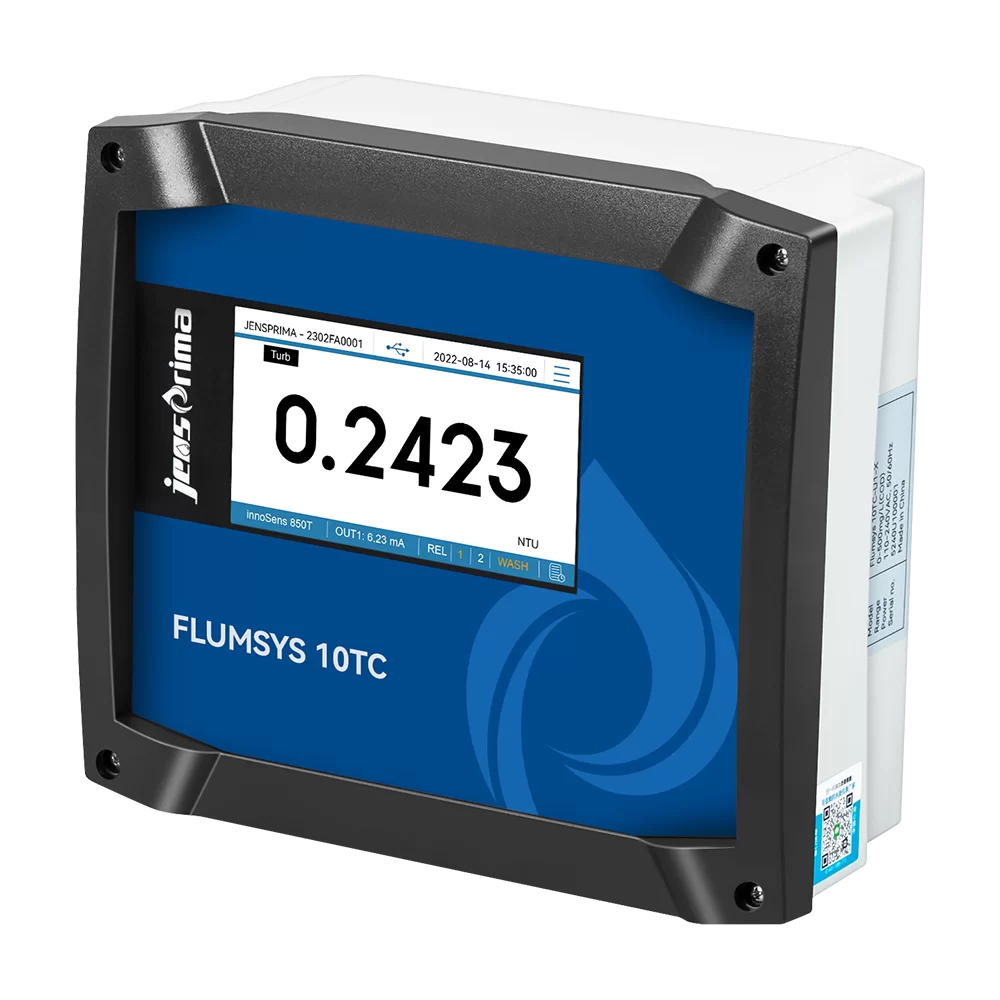
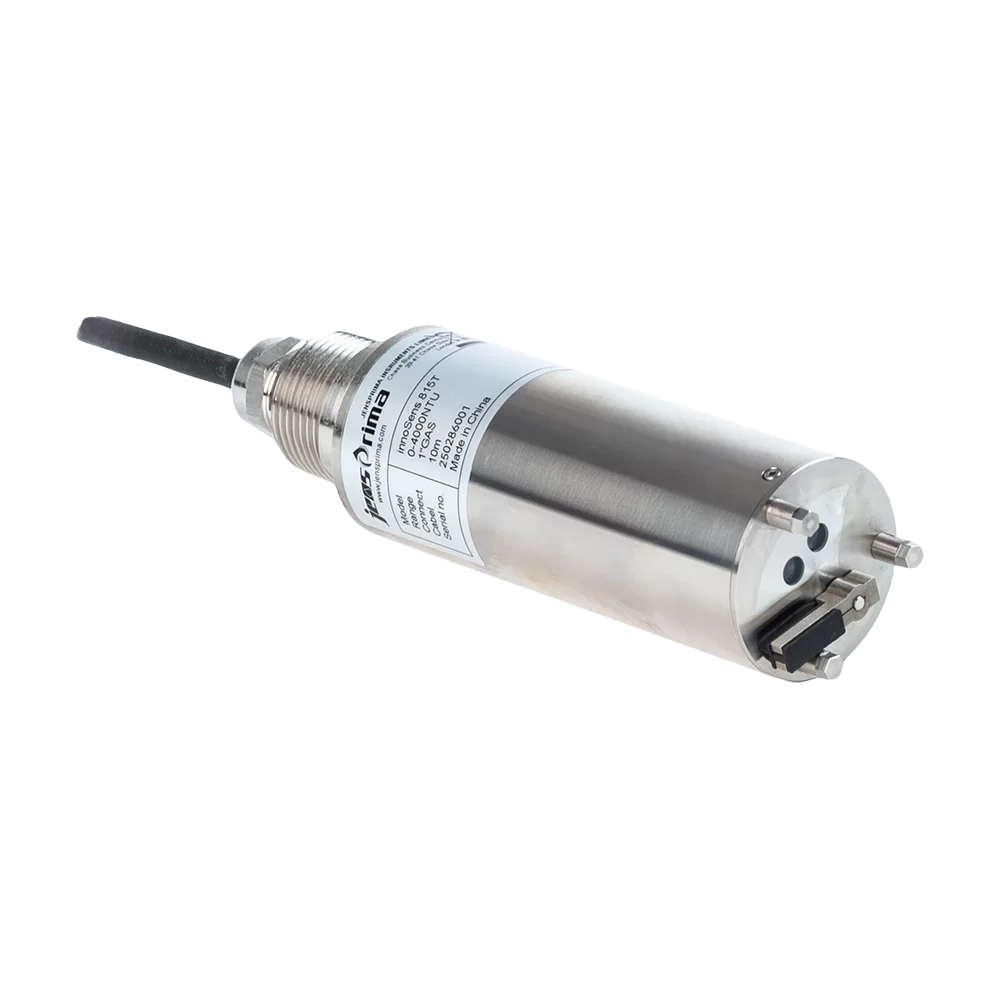
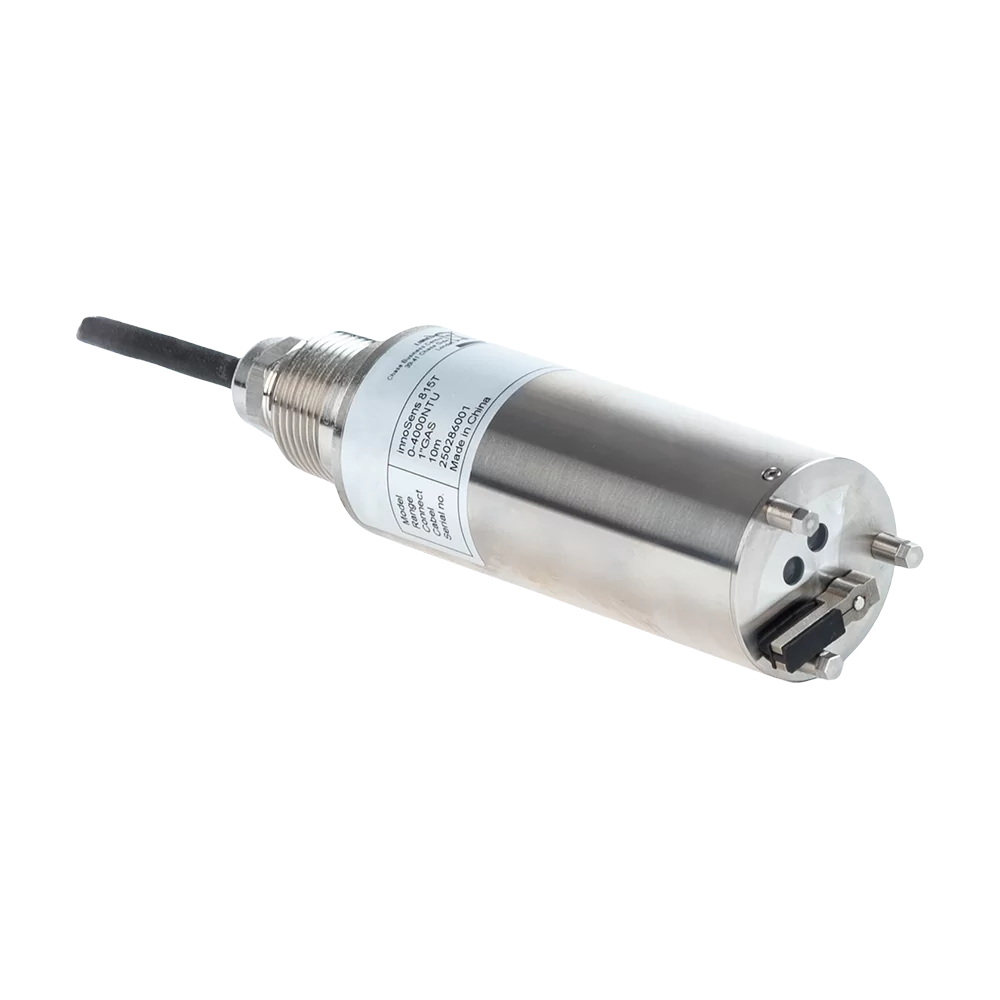
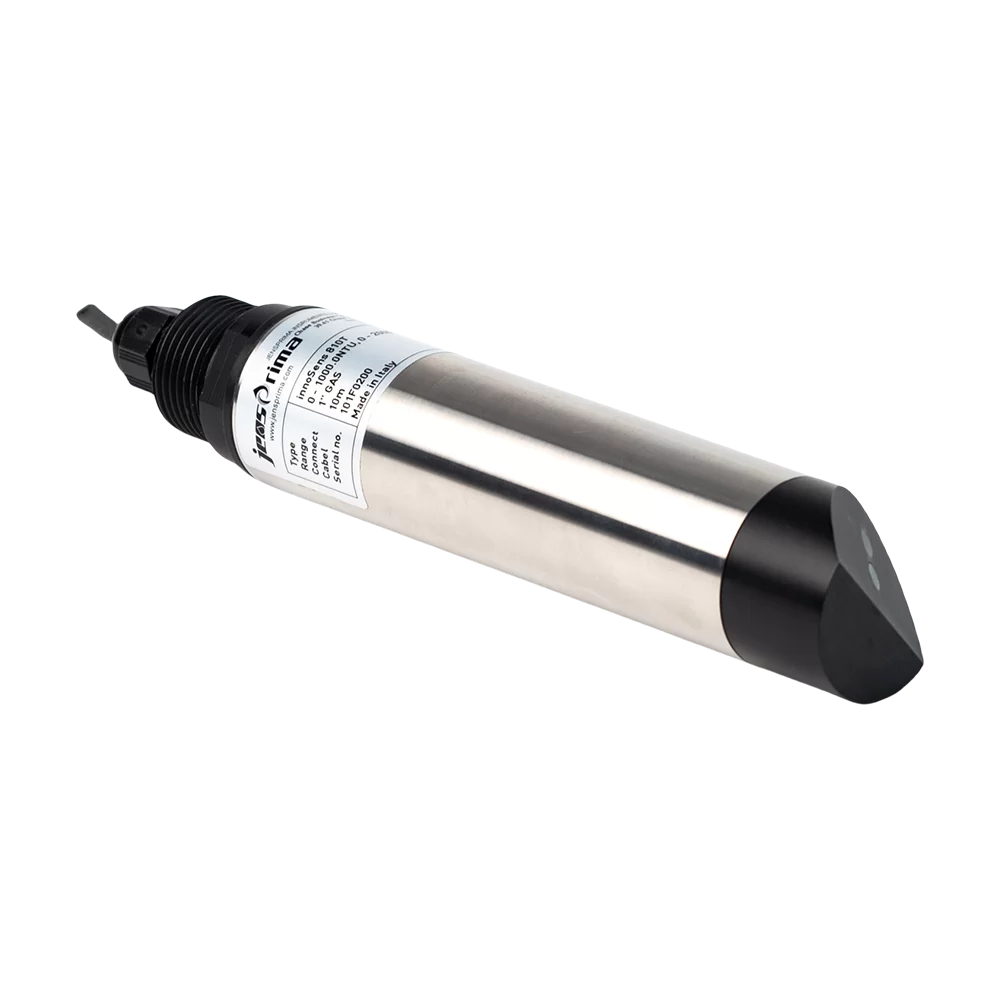
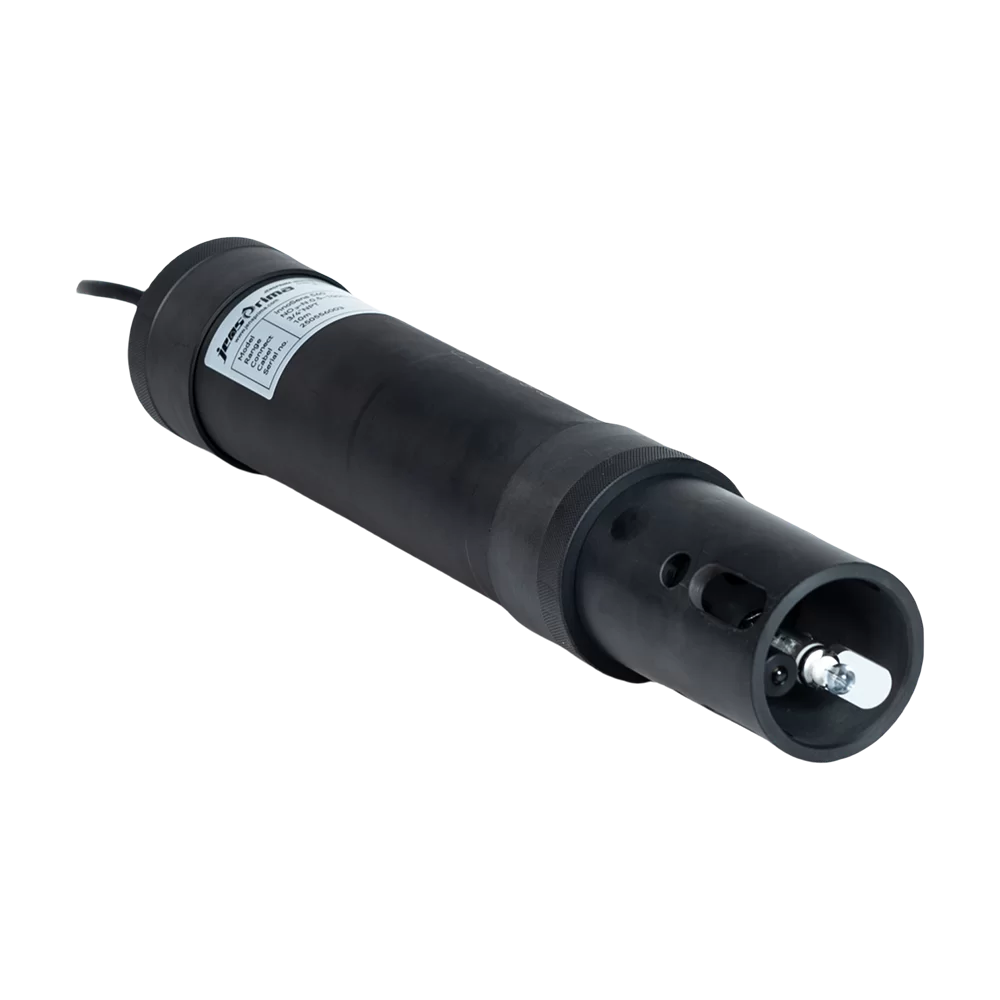
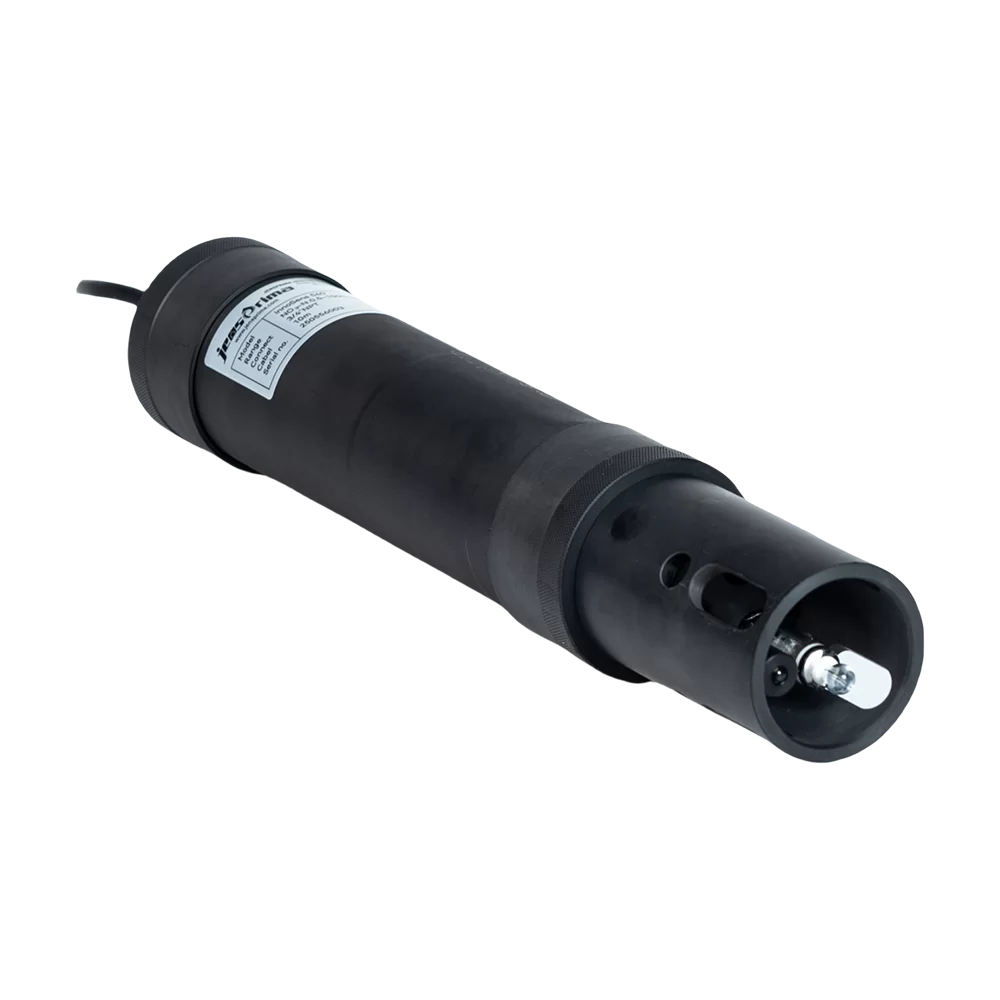
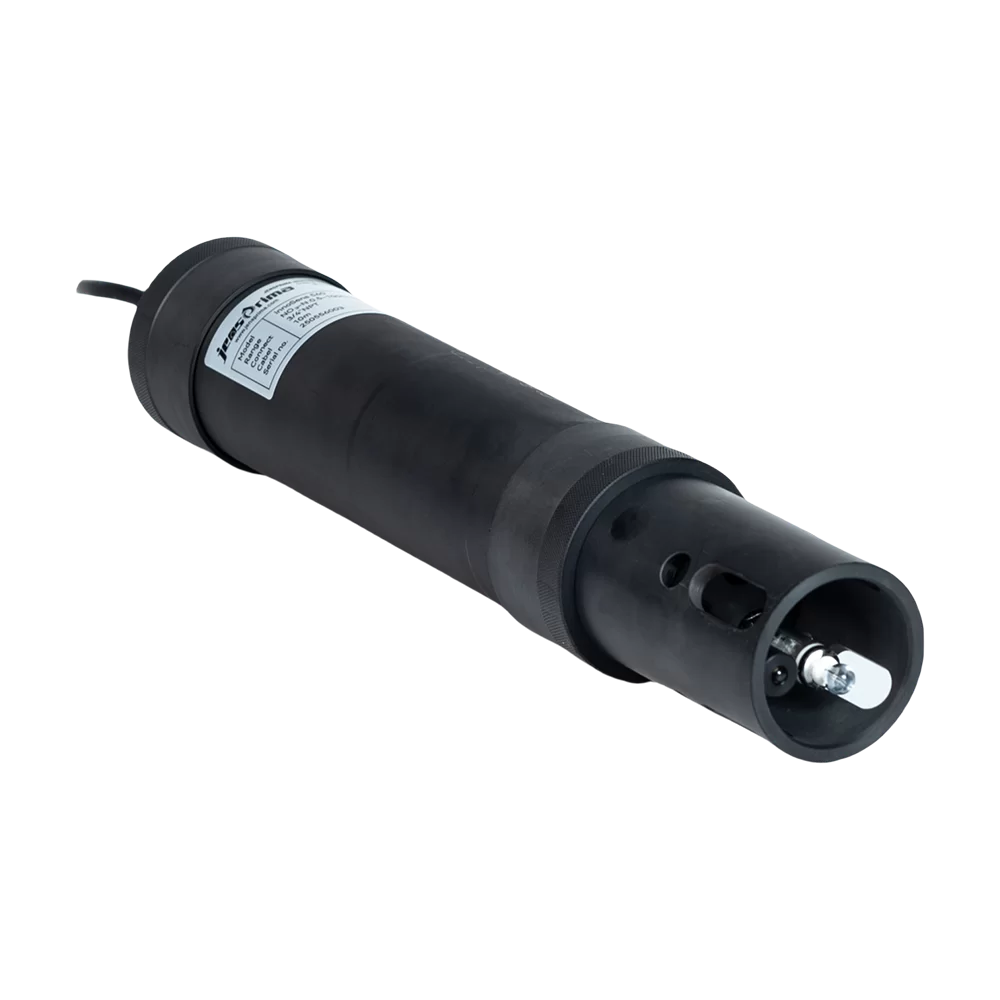
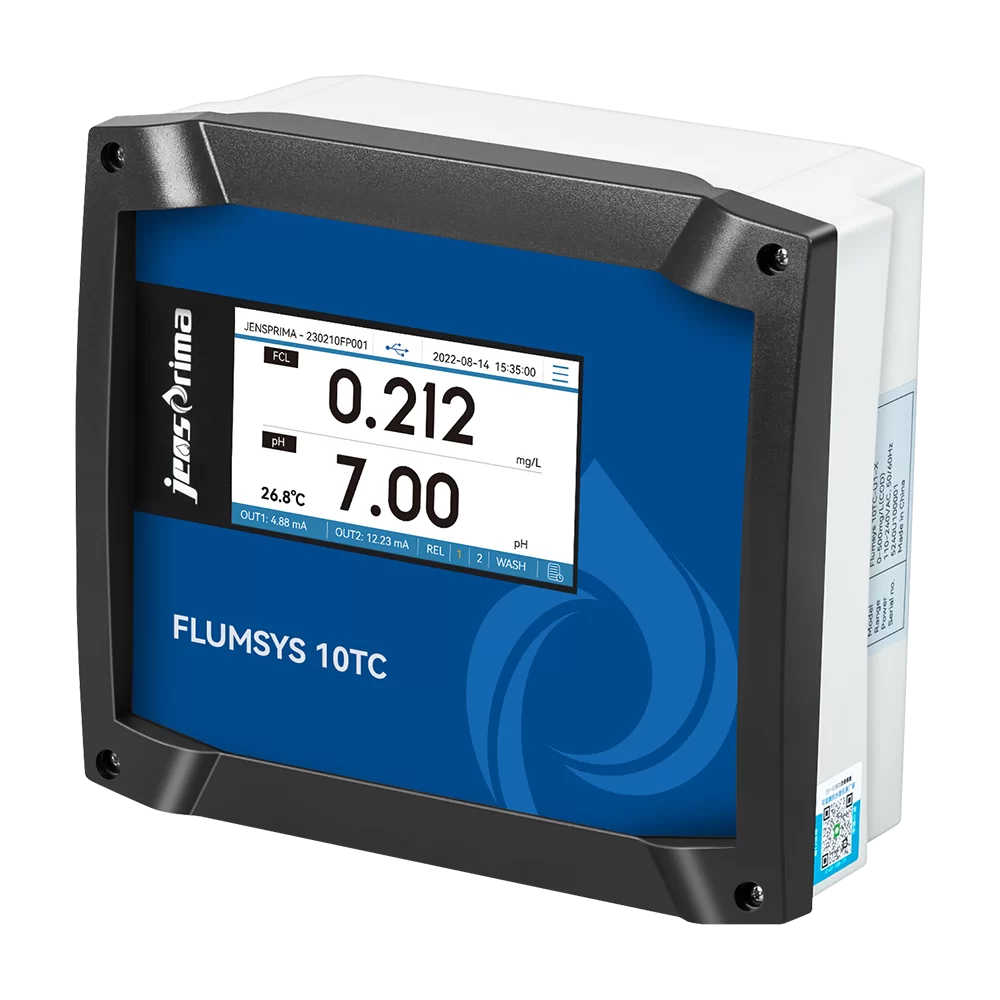
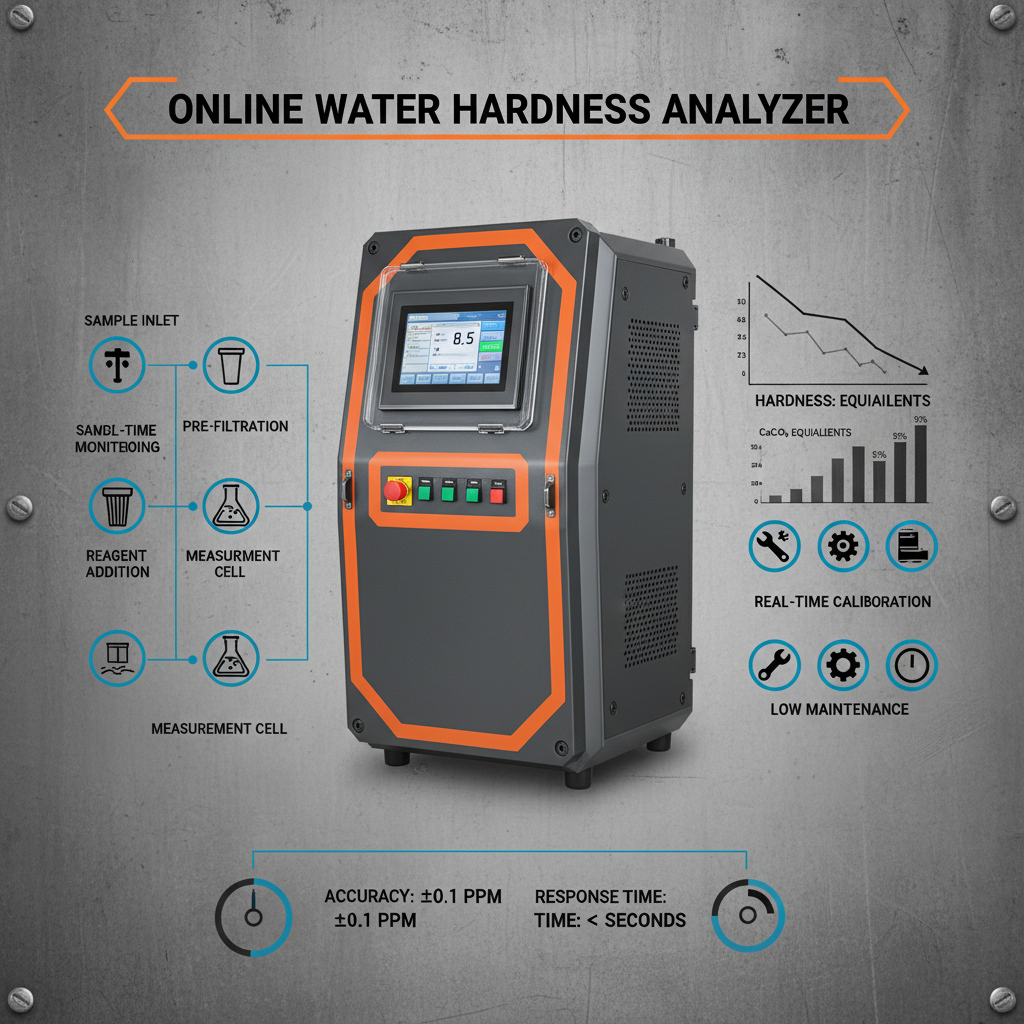
Jensprima offers a comprehensive range of online water hardness analyzers designed to meet the diverse needs of various industries. Our analyzers utilize advanced sensor technology and robust construction for reliable performance and long-lasting durability.
| Parameter |
Specification |
| Measurement Range |
0-1000 mg/L as CaCO3 |
| Accuracy |
± 2% FS |
| Response Time |
≤ 30 seconds |
| Output Signal |
4-20mA, Modbus RTU |
Conclusion: Optimize Your Water Management with Jensprima
Investing in a reliable online water hardness analyzer from Jensprima is a strategic step towards optimized water management, reduced costs, and improved operational efficiency. Our commitment to innovation and quality ensures that you receive a solution tailored to your specific needs. Contact us today to learn more about how our analyzers can benefit your business.
Frequently Asked Questions (FAQs)
What is the typical payback period for an online water hardness analyzer?
The payback period varies depending on the specific application and the cost savings achieved. However, many customers experience a payback within 6-18 months due to reduced chemical consumption, lower energy costs, and minimized downtime. By preventing scale buildup and optimizing water treatment processes, these analyzers deliver significant long-term financial benefits. A detailed cost-benefit analysis can be performed to estimate the payback period for your specific operation.
How often does an online water hardness analyzer require calibration?
Calibration frequency depends on the analyzer model and the application. As a general guideline, most analyzers require calibration every 3-6 months to ensure accuracy. However, it’s crucial to perform regular verification checks to confirm the analyzer’s performance between calibrations. Jensprima provides comprehensive calibration services and easy-to-follow calibration procedures.
What type of maintenance is required for these analyzers?
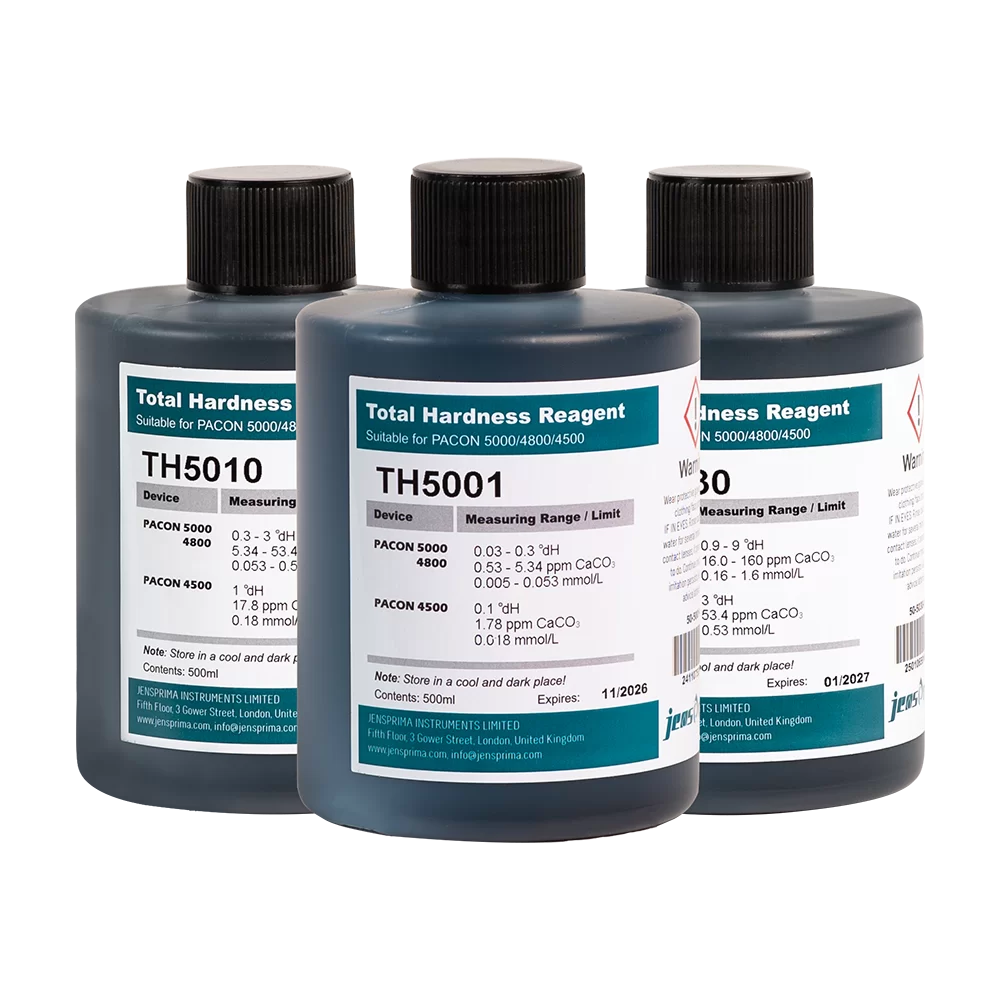
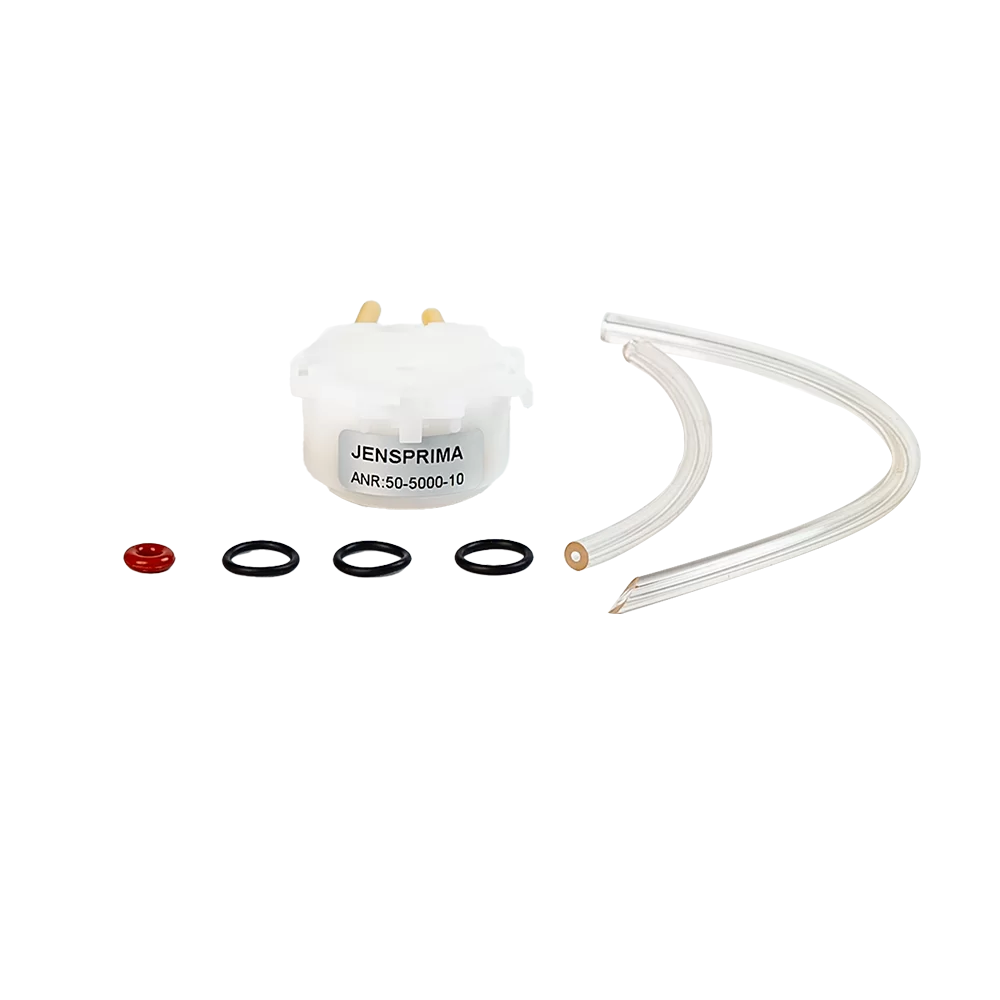
Routine maintenance typically includes cleaning the sensor, checking the calibration, and inspecting the connections. Depending on the model, periodic replacement of consumables, such as membranes or electrodes, may be required. Jensprima’s analyzers are designed for easy maintenance, and our support team provides comprehensive assistance and guidance.
Can these analyzers be integrated with existing control systems?
Yes, Jensprima’s online water hardness analyzers are designed for seamless integration with existing Programmable Logic Controllers (PLCs) and Supervisory Control and Data Acquisition (SCADA) systems. They typically feature industry-standard communication protocols, such as 4-20mA and Modbus RTU, allowing for easy data transfer and remote monitoring.


 Download
 Video Center
 Technical Services
 FAQS
FAQS Service Network
 Privacy Policy
 Contact Us




 LEARN MORE